
Spot Phishing Emails Before You Click
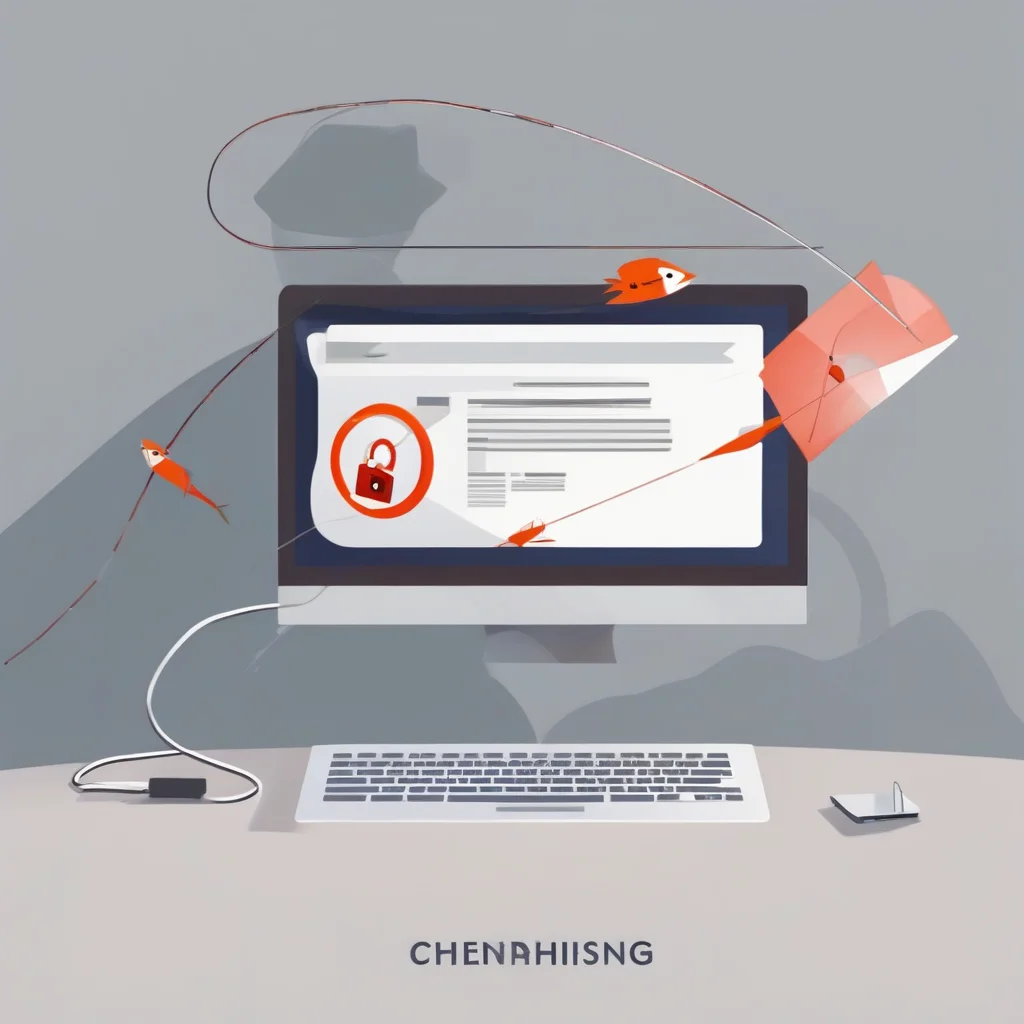
Phishing emails are a common threat to online security, and they can be difficult to spot. However, by being aware of the common characteristics of phishing emails and taking some simple precautions, you can protect yourself from these cyber threats. In this article, we will explore how to spot phishing emails before you click, and provide some practical tips for staying safe online.
What are three common ways to spot a phishing email?
There are several ways to spot a phishing email, but here are three common methods: check the sender’s email address, look for spelling and grammar mistakes, and be wary of emails that ask for personal or financial information. Legitimate companies will never ask for sensitive information via email, and they will always use their official email address. Phishing emails often have spelling and grammar mistakes, and they may use generic greetings instead of addressing you by name.
What are the 4 P’s of phishing?
The 4 P’s of phishing are: push, panic, prize, and password. Phishing emails often try to create a sense of urgency or panic, in order to get you to act quickly without thinking. They may promise a prize or reward, or ask for your password or other sensitive information. By being aware of these tactics, you can be more cautious when dealing with suspicious emails.
What is the red flag to spot a phishing email?
One of the biggest red flags for phishing emails is a sense of urgency or panic. Legitimate companies will never try to rush you into making a decision or taking action. If an email is trying to create a sense of urgency, it is likely a phishing email. Other red flags include emails that ask for personal or financial information, or emails that have spelling and grammar mistakes.
Can you spot a phishing email?
Yes, you can spot a phishing email by being aware of the common characteristics of phishing emails. Look for emails that have spelling and grammar mistakes, or emails that ask for personal or financial information. Be wary of emails that try to create a sense of urgency or panic, and never click on links or download attachments from suspicious emails. By being cautious and taking the time to carefully read and consider each email, you can protect yourself from phishing threats.
Practical protection steps
There are several practical steps you can take to protect yourself from phishing emails. First, make sure to use strong and unique passwords for all of your online accounts. Avoid using the same password for multiple accounts, and consider using a password manager to keep track of your passwords. You should also be cautious when clicking on links or downloading attachments from emails, and never provide personal or financial information via email. Finally, consider using two-factor authentication for your online accounts, which requires both a password and a verification code sent to your phone or email.
Common mistakes to avoid
There are several common mistakes that people make when dealing with phishing emails. One of the biggest mistakes is clicking on links or downloading attachments from suspicious emails. This can allow malware to be installed on your computer, or can give hackers access to your personal information. Another mistake is providing personal or financial information via email, which can be used to steal your identity or commit financial fraud. By being aware of these mistakes and taking the time to carefully consider each email, you can protect yourself from phishing threats.
FAQ
What is the best way to report a phishing email?
The best way to report a phishing email is to forward it to the company or organization that it is pretending to be from. You can also report phishing emails to the Federal Trade Commission (FTC) or your local authorities. Never respond to a phishing email or provide personal or financial information.
How can I protect my computer from malware?
You can protect your computer from malware by installing anti-virus software and keeping it up to date. You should also be cautious when clicking on links or downloading attachments from emails, and never provide personal or financial information via email. Consider using a firewall and keeping your operating system and software up to date, as well.
What should I do if I think I have fallen victim to a phishing email?
If you think you have fallen victim to a phishing email, you should take immediate action to protect yourself. Change your passwords for all of your online accounts, and consider placing a fraud alert on your credit reports. You should also monitor your financial accounts and credit reports closely, and report any suspicious activity to your bank or credit card company. Consider seeking the help of a professional, such as a credit counselor or a lawyer, to help you recover from the phishing attack.