
Solar Panels for Homes: Beginner’s Guide
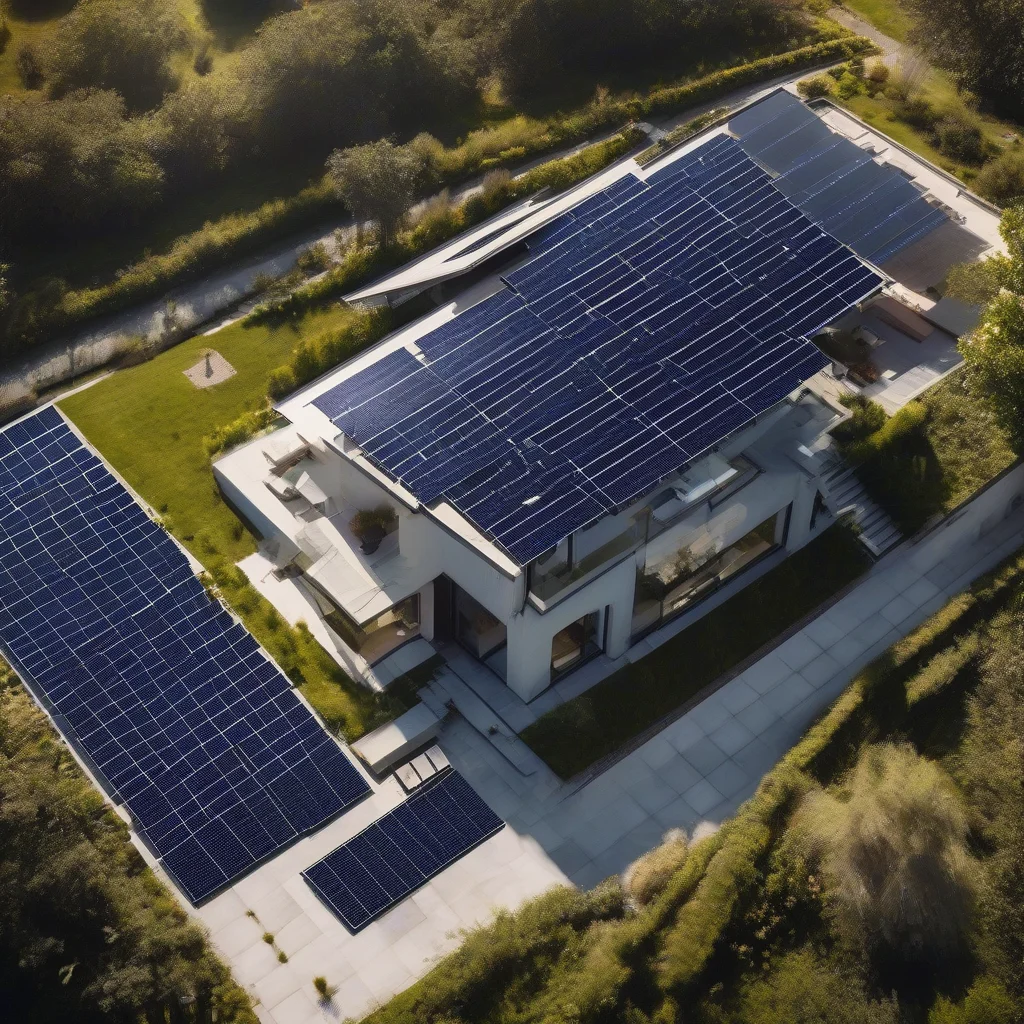
Solar panels are an attractive option for homeowners looking to reduce their energy bills and carbon footprint. However, with so many factors to consider, it can be overwhelming for beginners to know where to start. In this guide, we’ll cover the essential things to know when it comes to solar panels for homes, including cost factors, installation considerations, and location-specific variations.
Understanding Solar Panel Costs
The cost of solar panels can vary significantly depending on the size of your home, the amount of energy you want to generate, and the quality of the panels. On average, a solar panel system can cost between $15,000 and $30,000, although prices can range from as low as $10,000 to over $50,000. It’s essential to consider the cost of the panels, the inverter, the mounting system, and the installation when calculating the total cost.
Installation Considerations
Before installing solar panels, it’s crucial to assess your home’s energy usage and determine the best location for the panels. You’ll need to consider the amount of sunlight your roof receives, the size and shape of your roof, and any potential obstructions, such as trees or neighboring buildings. Additionally, you’ll need to ensure that your electrical panel can handle the added energy from the solar panels.
Location-Specific Variations
Costs, incentives, and utility rules for solar panels vary significantly by location. For example, some states in the US offer generous tax credits and rebates for homeowners who install solar panels, while others have more limited incentives. Similarly, some countries, such as Australia, have implemented feed-in tariffs, which allow homeowners to sell excess energy back to the grid. It’s essential to research the specific rules and incentives in your area to determine the best approach for your solar panel installation.
The 20 Rule for Solar Panels
The 20 rule, also known as the 20% rule, states that a solar panel system should not exceed 20% of the total energy usage of a home. This rule is in place to prevent homeowners from generating more energy than they can use, which can lead to energy waste and decreased efficiency. However, this rule may not apply in all locations, and it’s essential to consult with a professional to determine the best approach for your specific situation.
Downsides to Having Solar Panels on Your House
While solar panels can be a great investment for homeowners, there are some potential downsides to consider. One of the main drawbacks is the high upfront cost, which can be a barrier for many homeowners. Additionally, solar panels can be affected by weather conditions, such as shade, snow, and extreme temperatures, which can reduce their efficiency. Furthermore, the resale value of a home with solar panels can be affected, as some buyers may be deterred by the perceived maintenance and upkeep costs.
Selling a House with Solar Panels
Selling a house with solar panels can be challenging, as some buyers may be hesitant to take on the perceived maintenance and upkeep costs. However, many buyers are also attracted to the energy efficiency and cost savings that solar panels provide. To overcome any potential objections, it’s essential to highlight the benefits of solar panels, such as the reduced energy bills and the increased property value. Additionally, providing documentation and warranties for the solar panel system can help to alleviate any concerns that buyers may have.
Why Your Electric Bill May Still Be High with Solar
Even with solar panels, your electric bill may still be high due to various factors. One of the main reasons is that solar panels may not generate enough energy to meet your total energy needs, especially during periods of high energy usage. Additionally, some utility companies may charge higher rates for energy usage during peak hours, which can increase your overall energy bill. To minimize your energy bill, it’s essential to monitor your energy usage, optimize your solar panel system, and consider energy-efficient appliances and lighting.
FAQ
What are the benefits of solar panels for homes?
Solar panels can provide numerous benefits for homeowners, including reduced energy bills, increased property value, and a lower carbon footprint. Additionally, solar panels can provide a sense of energy independence and can be a great investment for the long term.
How do I determine the best solar panel system for my home?
To determine the best solar panel system for your home, it’s essential to assess your energy usage, consider the size and shape of your roof, and research the different types of solar panels and inverters available. Additionally, consulting with a professional solar panel installer can help you to determine the best approach for your specific situation.
What are the potential drawbacks of solar panels for homes?
Some potential drawbacks of solar panels for homes include the high upfront cost, the potential for weather-related efficiency reductions, and the perceived maintenance and upkeep costs. However, many of these drawbacks can be mitigated by proper installation, maintenance, and education on the benefits and limitations of solar panels.
Solar costs, incentives, utility rules and installation requirements vary by location. Use this as a general guide and confirm details with local professionals and official programs.