
Home Solar Costs: Factors That Change the Final Price
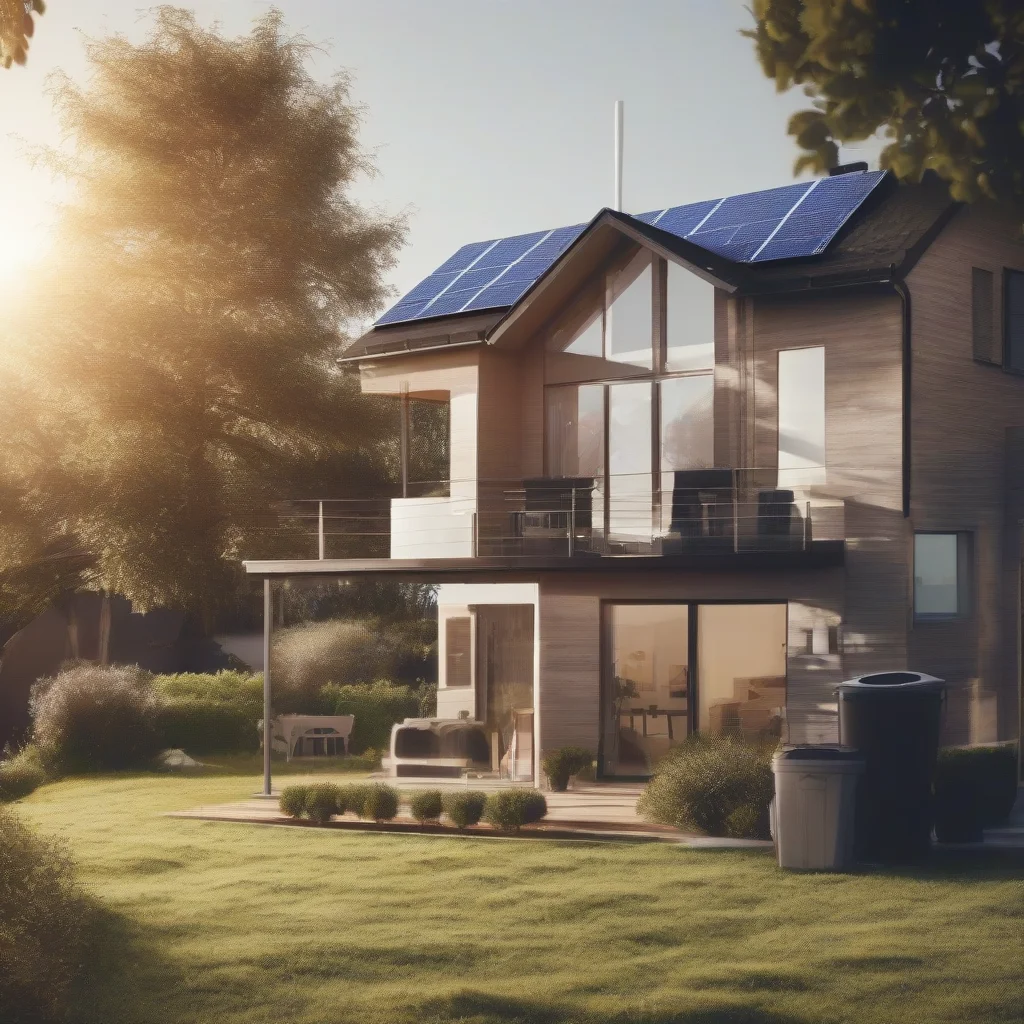
As the world shifts towards renewable energy sources, home solar systems have become an increasingly popular choice for homeowners. However, the cost of installing a home solar system can vary significantly depending on several factors. In this article, we will explore the key factors that affect home solar costs and how they vary by location.
Introduction to Home Solar Costs
Home solar costs refer to the total expense of purchasing and installing a solar panel system for your home. The cost of a home solar system includes the cost of the solar panels, inverters, mounting hardware, and labor. The total cost can range from $15,000 to $30,000 or more, depending on the size of the system and the location.
Factors That Affect Home Solar Costs
Several factors can affect the cost of a home solar system, including the size of the system, the type of solar panels used, the location of the home, and the local labor costs. The size of the system is one of the most significant factors, as larger systems require more solar panels and equipment, which increases the cost. The type of solar panels used can also impact the cost, as high-efficiency panels are more expensive than standard panels.
Location-Specific Factors
The location of the home is another crucial factor that affects home solar costs. The amount of sunlight the location receives, the local building codes and regulations, and the availability of incentives and rebates can all impact the cost of a home solar system. For example, homes located in areas with high sunlight hours, such as the southwestern United States, may require smaller systems, which can reduce the cost. On the other hand, homes located in areas with lower sunlight hours, such as the northeastern United States, may require larger systems, which can increase the cost.
Installation Considerations
The installation process is also a critical factor that affects home solar costs. The complexity of the installation, the type of mounting system used, and the labor costs can all impact the final cost. For example, installations that require special mounting systems or additional equipment, such as roof mounts or ground mounts, can increase the cost. Additionally, labor costs can vary significantly depending on the location and the installer.
Incentives and Rebates
Incentives and rebates can also impact the cost of a home solar system. Many governments and utilities offer incentives and rebates to encourage homeowners to install solar panels. These incentives can include tax credits, rebates, and net metering, which can reduce the cost of the system. However, the availability and amount of these incentives can vary significantly depending on the location.
Conclusion
In conclusion, home solar costs can vary significantly depending on several factors, including the size of the system, the type of solar panels used, the location of the home, and the local labor costs. Understanding these factors and how they vary by location can help homeowners make informed decisions when considering a home solar system. It’s essential to research and consult with a professional installer to determine the best system for your home and budget.
FAQ
What is the average cost of a home solar system?
The average cost of a home solar system can range from $15,000 to $30,000 or more, depending on the size of the system and the location.
How do I determine the size of the solar system I need?
To determine the size of the solar system you need, you’ll need to consider your energy usage, the amount of sunlight your location receives, and the efficiency of the solar panels. It’s best to consult with a professional installer to determine the best system for your home and budget.
Are there any incentives or rebates available for home solar systems?
Yes, many governments and utilities offer incentives and rebates to encourage homeowners to install solar panels. These incentives can include tax credits, rebates, and net metering, which can reduce the cost of the system. However, the availability and amount of these incentives can vary significantly depending on the location. It’s essential to research and consult with a professional installer to determine the best options for your location.